
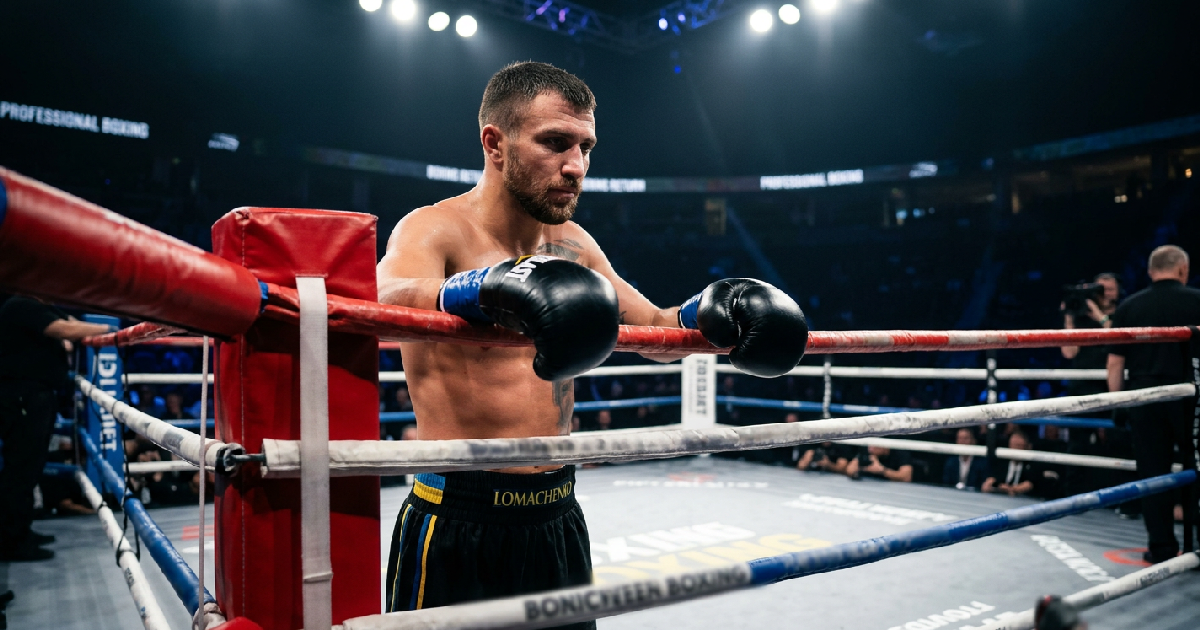
Vasiliy Lomachenko, the former three-division world champion and two-time Olympic gold medalist, is reportedly planning a return to professional boxing after previously signaling he might retire. The Ukrainian veteran, frequently cited as one of the most technically gifted fighters in history, has sparked intense reactions across the sport as his representatives begin the preliminary work for a comeback bout. This reversal follows a period of public reflection for the fighter, who had suggested he was leaning toward walking away from the ring after a lengthy career at the elite level.
The news has sent ripples through the lightweight and junior lightweight divisions where the “Matrix” has traditionally operated. While no specific opponent, venue, or date has been finalized, the prospect of the veteran southpaw returning adds immediate complexity to the current title pictures. Peers and rivals have spent the last few days weighing in on what this means for the sport’s hierarchy and the future of the 135-pound division.
Industry insiders suggest the desire to secure further world titles remains a primary motivator for the former champion. Though age remains a factor for lighter-weight athletes, his technical prowess has historically allowed him to compensate for physical wear through superior positioning and footwork. His return could disrupt the current matchmaking plans of other top-tier contenders who were previously looking toward a future without him in the rankings.
Reaction from the Global Boxing Community
The boxing world has responded with a mixture of excitement and strategic caution. Fellow boxers have used various platforms to express their thoughts on the comeback, with some younger contenders viewing it as an opportunity to secure a legacy-defining victory over a legend. Conversely, veterans have praised his enduring commitment to the craft and his ability to maintain a high level of competition well into his late 30s.
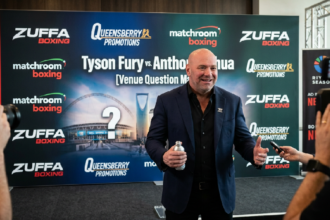
The intrigue surrounding his return is bolstered by a high-stakes environment where massive promotional partnerships are becoming the standard. For instance, current discussions around influential figures like Dana White and his potential Zuffa Boxing launch suggest the landscape is hungry for stars with established global reputations. Fighters such as Shakur Stevenson and Gervonta Davis have frequently been linked to the Ukrainian in hypothetical matchups, and a return makes those blockbuster fights a tangible possibility again.
Rivals recognize that even a veteran version of this fighter presents a tactical puzzle that few in history have been able to solve effectively. His presence in the gym and his reported return to active training indicate that he believes his physical tools are still sharp enough to compete with the heavy hitters of the new generation.
Strategic Implications for the Lightweight Division
The return of such a highly decorated technician forces a recalibration of the 135-pound landscape. Currently, the division is populated by explosive young talent and established champions who have been vying for the mantle of the world’s best. His reentry into the active pool means that mandatory challenger positions and voluntary title defenses will likely be reshuffled to accommodate his status as a high-value attraction.
This development highlights a broader trend of elite fighters reconsidering their departures from the ring as the financial incentives for major bouts continue to climb globally. We are seeing similar patterns across the sport, such as reports indicating Mayweather and Pacquiao are reportedly closing in on a rematch deal, showing that the allure of the “big fight” remains a powerful draw for the sport’s icons. The return of a fighter with this level of pedigree is a commercial boost for broadcasters and promoters alike.
Analysts point out that his defensive metrics and footwork remain elite, even if his activity levels have fluctuated in recent outings. This technical edge allows him to take less damage than the average brawler, potentially extending his competitive window beyond that of his contemporaries. The central question remains whether his body can still withstand the rigors of an elite-level training camp after a period of relative inactivity.
Training and Physical Readiness for the Comeback
While official details from his camp are guarded, reports suggest that he has maintained a high level of fitness during his time away. Known for his unorthodox training methods—including underwater breath-holding and high-intensity mental drills—the Ukrainian has never been one to let his conditioning slide. However, the true test will be how he responds to the physical pressure applied by the younger, faster power hitters currently occupying the top ten rankings.
The landscape he returns to is more physically imposing than the one he dominated years ago. As he moves forward, his team will likely target an opponent who offers high reward with a manageable style before jumping back into the deep end of unified championship bouts. You can find more about how technical gaps affect high-stakes bouts in our performance analysis of major heavyweight clashes, which highlights how precision and volume define the elite level of the sport.
Potential Paths to Another World Title
The path back to a world title is not without its hurdles. With various sanctioning bodies holding different champions, the Ukrainian will need to navigate a political minefield to secure a shot at a belt. His status as a former unified champion typically grants him a high ranking, but the current titleholders are not always eager to face a high-risk technician who can make elite opposition look amateurish.
Sanctioning bodies like the World Boxing Council (WBC) often have long queues for mandatory challengers, meaning he may need to take a high-profile eliminator bout to solidify his position. This would serve the dual purpose of shaking off any ring rust while providing a lucrative broadcast event for his promotional partners. Fans are already speculating on whether he will stay at lightweight or consider a move back down to 130 pounds, where he was once arguably at his most dominant.
Regardless of the weight class, the boxing world generally views his presence as a positive for the sport’s technical standards. His unique style has influenced a generation of amateurs and professionals alike. This return signifies that he believes he still has the tools necessary to compete at the very top, and the coming months will reveal if he can cap off his career with one final run at world honors.




4 Comments