
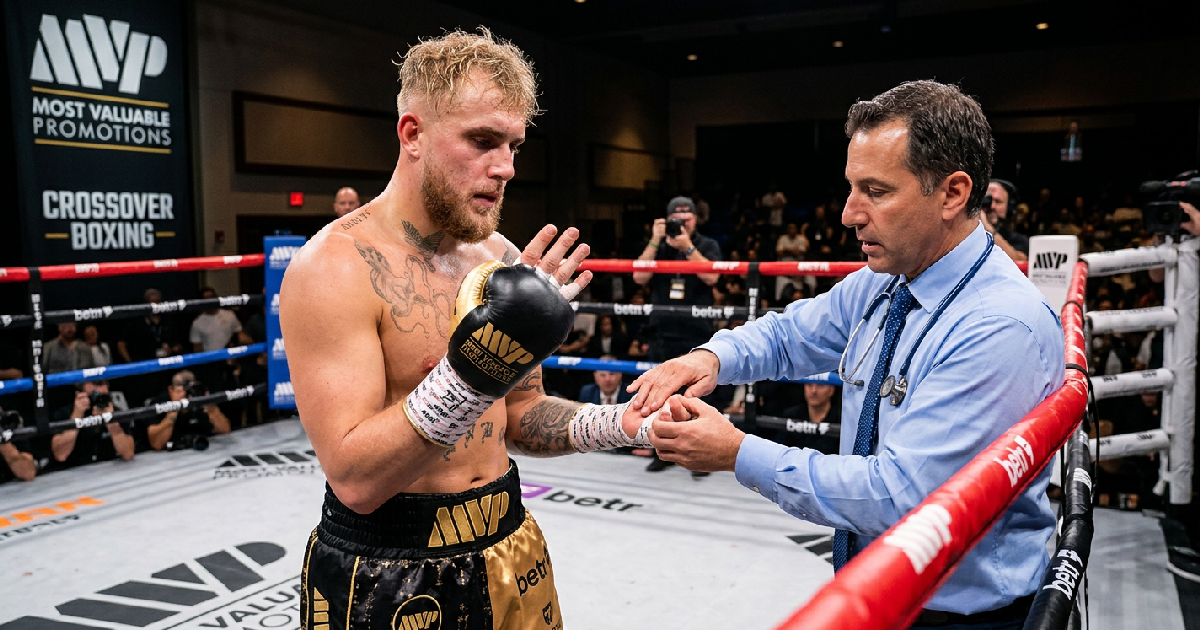
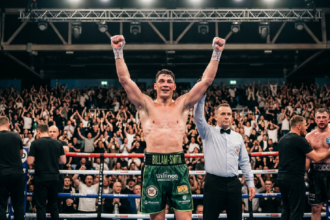
Jake Paul is reportedly reconsidering his future in professional boxing following a series of health-related disclosures that have raised questions about his longevity in the ring. The social media personality, who successfully transitioned into a high-profile prize fighter, has suggested that the physical demands of the sport and specific medical considerations may lead to a change in his competitive status. This development comes at a time when Paul has been a central figure in bringing mainstream digital audiences to traditional combat sports platforms.
The news follows a period of intense activity for the influencer-turned-athlete, who has balanced his own fighting career with his responsibilities as a promoter. While he has remained a consistent draw for major streaming services, his recent updates indicate that he may be prioritizing his long-term well-being over his aspirations as a heavyweight contender. If Paul were to scale back his active competition, it would mark a significant shift for a fighter who has been a primary driver of the “crossover” boxing phenomenon.
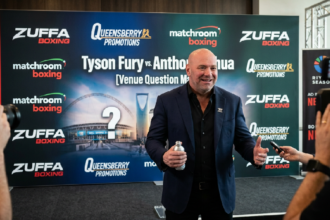
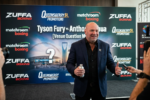
Paul’s impact on the industry has been largely defined by his ability to generate massive commercial interest, often bypassing traditional boxing hierarchies. However, the inherent risks associated with professional fighting appear to be a growing factor in his career planning. As he evaluates his next moves, the sport continues to see shifts in its promotional structures, such as reports that Dana White is targeting major stars for the Zuffa Boxing launch, which could further alter the landscape for celebrity and professional fighters alike.
Medical Considerations and Long-Term Health
The disclosures surrounding Paul’s health center on the cumulative effects of head trauma and the grueling nature of professional training camps. Industry observers have noted that Paul has expressed concern regarding the impact of the sport on his neurological health, a rare moment of vulnerability for a performer who typically projects a persona of high-energy confidence. This transparency has sparked discussions within the boxing community about the appropriate timing for any athlete to step away from the ropes.
Strategic experts suggest that moving away from the ring could be a calculated move to protect a growing business empire. Unlike many boxers who rely solely on fight purses, Paul has established diverse revenue streams in media and real estate. The risk-reward ratio for continued involvement in professional prize fighting has arguably changed as his commercial ventures outside of the ring continue to expand. But for now, he has not made a formal announcement regarding a definitive retirement date.
The uncertainty around Paul occurs while other sections of the boxing world are experiencing their own transitions. For instance, Sebastian Fundora is nearing a ring return as new title plans take shape in the super welterweight division. The contrast highlights the different trajectories currently available to modern fighters, ranging from traditional championship pursuits to the entertainment-led path pioneered by Paul.
Transitioning Toward Promotional Leadership
A potential move away from active fighting would likely see Paul lean more heavily into his role as a promoter. His company, Most Valuable Promotions (MVP), has already established a footprint by managing high-stakes events and signing prominent talent. Shifting his focus entirely to executive leadership could allow him to remain a power player in the industry without the physical risks of active competition. This role would involve further building the profiles of athletes currently under the MVP banner.
The commercial viability of celebrity-driven boxing events has relied heavily on Paul as a headliner. If he steps back, streaming partners like Netflix and DAZN may need to recalibrate their approach to these high-profile spectacles. The transition from athlete to executive is common in combat sports, though Paul’s situation is unique given the massive social engagement numbers he continues to pull during what many consider his physical prime. According to the Association of Boxing Commissions, rigorous medical standards remain the primary factor in determining an athlete’s eligibility to compete.
The broader heavyweight landscape remains busy even as Paul considers his future. Fans are currently focused on other major matchups, such as the period where Daniel Dubois prepares for his critical encounter with Fabio Wardley, proving that the traditional side of the sport remains robust. Whether Paul opts for a final farewell match or chooses to transition into the boardroom immediately remains a topic of significant speculation among trade circles this year.
Future Role of the Paul Brand in Boxing
The future of the Paul brand likely remains tied to the sport in some capacity, regardless of his status as a combatant. His ability to blend celebrity culture with athletic promotion has arguably forced the boxing world to examine its own business models. If he chooses to limit his physical participation, his legacy may be defined by his role as a disruptor who brought a new demographic to the ring.
Final decisions are expected to depend on ongoing medical evaluations and consultations with his team of advisors. The boxing world has seen many athletes struggle with the decision of when to hang up the gloves, particularly when the financial incentives to remain active are significant. Paul’s next steps will provide a case study in how a modern digital star manages the transition from the spotlight of the ring to the strategic side of the sports business. At this stage, his team continues to monitor health reports closely before committing to a future schedule.

2 Comments