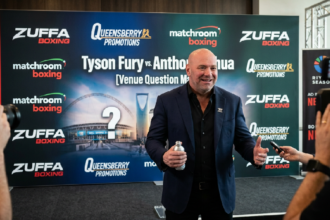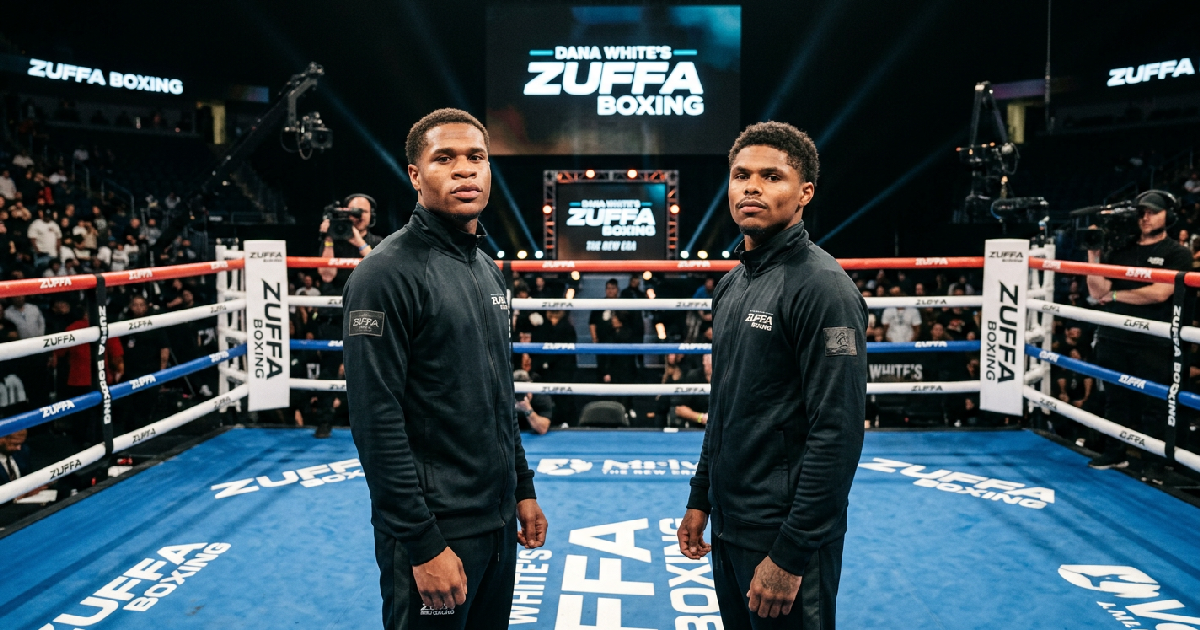
Ultimate Fighting Championship (UFC) President Dana White is reportedly moving to consolidate talent for his expected entry into the boxing market, with reports indicating that Devin Haney and Shakur Stevenson are among the primary targets for the Zuffa Boxing roster. The move signals a potential shift in how professional matches are organized, as Zuffa LLC looks to apply its centralized promotional model to a sport often defined by its fragmented nature. By pursuing athletes of the caliber of Devin Haney and Shakur Stevenson, the new venture appears to be seeking immediate standing alongside established entities like Top Rank and Matchroom.
The interest in these specific fighters suggests a strategy built around established names who have reached the elite levels of their respective divisions. Devin Haney, who has previously campaigned for major honors in the lightweight and super-lightweight ranks, and Shakur Stevenson, a multi-weight titleholder known for his technical style, represent a new generation of talent. Integrating such athletes into a Zuffa-led framework could indicate that Dana White intends to move away from the traditional free-agency model, potentially streamlining the path to high-stakes matchups.
Strategic positioning is already becoming visible as the boxing world monitors these promotional shifts. For example, Mosley Jr. employs disciplined jab strategy as he prepares for upcoming challenges in an environment that may soon be influenced by Zuffa’s presence. The focus on consistent activity and technical preparation is increasingly seen as a requirement for those looking to align with this new vision for the sport.
Restructuring the Promotional Framework Under Zuffa
For several years, Dana White has discussed a formal entry into the boxing industry, often expressing a desire to change how fights are negotiated and scheduled. The Zuffa Boxing approach is expected to mirror the operational style of the United Fighting Championship (UFC), where a single promotion holds significant control over the event calendar and athlete participation. This method is frequently cited as a way to avoid the long delays and “ducking” accusations that sometimes stall the sport’s biggest possible pairings.
The potential addition of world-class talent like Shakur Stevenson could provide Zuffa with the necessary leverage to secure long-term broadcasting and venue partnerships. While the market is currently influenced by the significant spending of international entities and established networks, the brand equity of Zuffa offers a different kind of stability. Many industry observers suggest that a centralized system could offer a more predictable schedule for fans and broadcasters alike.
Devin Haney and Shakur Stevenson as Potential Cornerstones
Securing athletes like Devin Haney and Shakur Stevenson would represent a major development for the burgeoning Zuffa Boxing brand. Both individuals are considered to be in their athletic primes and maintain the public profiles necessary to attract a crossover audience. The competitive nature of Devin Haney, combined with the defensive mastery often displayed by Shakur Stevenson, would ensure that the promotion’s early events feature high-level technical displays.
This movement coincides with a broader trend of significant names seeking promotional structures that can maximize their visibility. In other divisions, athletes are also navigating changing title landscapes, such as when Sebastian Fundora nears ring return amid evolving plans for the super welterweight category. As these pieces move, traditional promoters may face increased pressure to adapt their models to retain their most marketable stars.
Market Impact and Broadcast Opportunities
One of the most discussed aspects of the Zuffa Boxing rollout is the potential for cross-platform promotion and digital integration. With an existing global audience, Dana White has a platform to introduce boxing to fans who primarily follow mixed martial arts. Analysts expect that these events could be bundled with existing digital services, providing fighters with a consistent level of exposure that is sometimes difficult to maintain in the current market.
The financial structure of these deals is also a point of interest for the industry. While boxing has often operated on a fight-by-fight basis for its biggest stars, Zuffa is expected to prefer multi-fight agreements. This could be particularly attractive to younger fighters who may favor a guaranteed schedule and a clear career trajectory over the uncertainty of independent negotiations.
Future Outlook for the Professional Boxing Landscape
While the prospect of Dana White’s entry is met with interest, it also brings questions about fighter autonomy and the traditional hierarchy of the sport. The centralized model has faced scrutiny in other combat sports regarding athlete pay and independence. However, if athletes like Devin Haney and Shakur Stevenson achieve success under this new banner, it may lead to a broader shift in how the industry operates.
The expansion comes at a time of renewed interest in major legacy bouts and high-profile matchups. Some reports suggest that Zuffa’s involvement might even help facilitate long-discussed contests that have previously faced hurdles, similar to how Mayweather and Pacquiao reportedly closing in on professional rematch deal talks have generated significant discussion in the veteran circuit. Dana White and his team are likely looking to balance the development of young stars with the immediate draw of established names to build a sustainable powerhouse.
As the boxing world awaits the official launch and the first confirmed event schedule, the focus remains on which athletes will officially sign on. If Devin Haney and Shakur Stevenson serve as the foundation of this new era, the sport may find itself undergoing its most significant structural evolution in recent memory.