
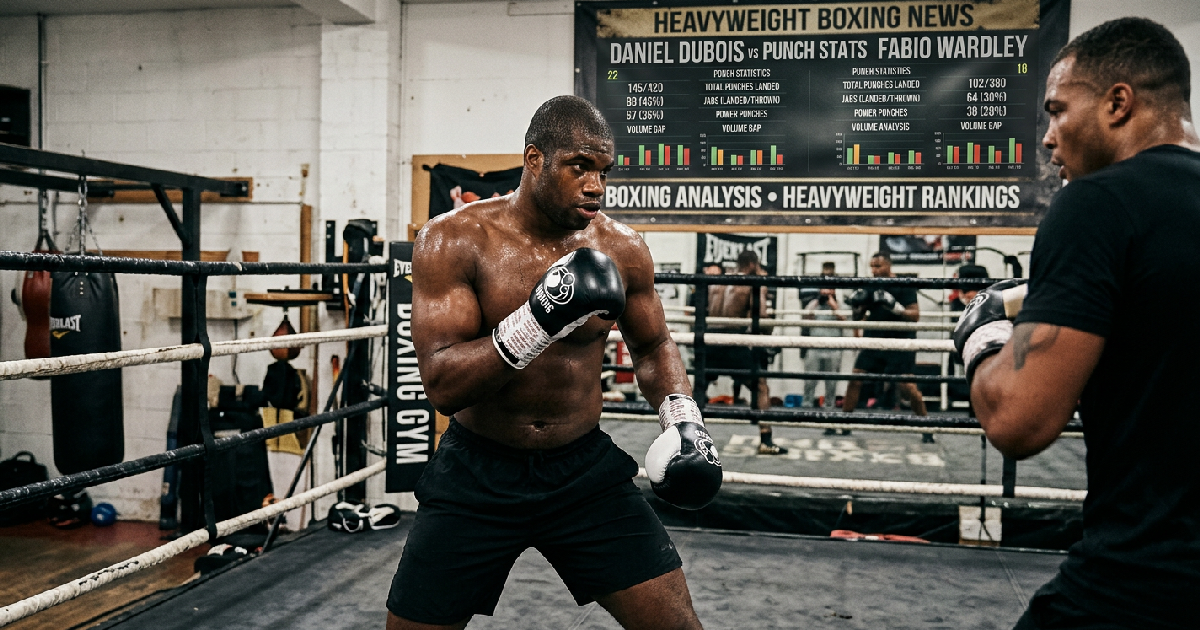
The heavyweight landscape has seen a shift in technical standards following the performance breakdown of the high-stakes encounter between Daniel Dubois and Fabio Wardley. Analysis suggests that the relentless pace set by the victor eventually pressure-tested the defensive structure of the challenger throughout the contest. This fallout comes at a pivotal time as public interest grows in matchmaking across various divisions that prioritize volume over single-shot power.
The disparity in effectiveness recorded during the bout clarifies why the momentum shifted so decisively in the mid-to-late rounds. While both Daniel Dubois and Fabio Wardley are known for their physical strength, the reporting highlights a high-volume approach that is often rare in the heavyweight class. This data validates the tactical adjustments made in recent training camps, especially as Daniel Dubois prepares for a critical career phase following his climb through the world rankings.
Analysis of Punch Volume and Tactical Gaps
Observational reports from ringside indicate that the winner’s total output was notably higher than the typical average for the heavyweight division. The opening segments of the fight featured a tactical battle of jabs, but the tracking suggested a shift once the lead hand began to land with consistency. The winner’s ability to reset and fire double jabs reportedly kept the challenger off-balance, which prevented a sustained counter-offensive from taking root.
Reports following the match suggest that the challenger struggled with accuracy, finding success with only a smaller portion of his total thrown punches. While there were several attempts at power shots intended to alter the course of the fight, these efforts were reportedly largely blocked or slipped. This inability to land cleanly led to a noticeable energy drain, whereas the victor maintained a steady work rate from the opening bell through the final exchange.
Official Results and Running Order Requirements
The official list for the full undercard and the specific running order for the event have not yet been announced. This absence of a confirmed schedule from the sanctioning bodies means fans are currently focusing on the primary reporting emerging from the main event. While the main attraction provided a wealth of evidence regarding heavyweight performance, the official secondary lineup remains unconfirmed at this stage.
Such delays in finalizing supporting cards are not uncommon in major promotions. For a broader look at how championship schedules are managed, fans can monitor updates from the World Boxing Council (WBC), which often oversees the documentation of title fight proceedings and official results. The organization remains a primary source for verifying bout statuses and official championship designations across the globe.
Power Impact and Body Attack Strategies
Power shots provided an insightful portion of the post-fight observations, with the champion reportedly landing a high percentage of his significant strikes. This level of precision suggests a refined technical approach against a durable opponent. Reports also noted a concentrated effort to attack the body, a strategy that appeared to slow the challenger’s footwork as the contest moved into the later rounds.
The focus on technicality is a trend mirrored in other weight classes as well. High-level precision is expected to be a major factor as Anthony Olascuaga and Andy Dominguez launch their title bout in San Francisco. Much like the heavyweight clash between Daniel Dubois and Fabio Wardley, that upcoming matchup will likely be decided by the fighter who can maintain effective strikes under pressure without sacrificing their defensive shell.
Defensive Failures and Fatigue Factors
Defensive metrics from the event underscore the risks associated with an explosive exchange. The challenger’s defensive success rate reportedly declined as the fight entered the championship rounds. Observers noted that as fatigue became a factor, the predictability of the challenger’s lead hook increased, allowing the opponent to counter through the guard with much higher frequency.
Trainers often use these general performance trends to adjust future camp strategies, particularly when a fighter shows a recurring vulnerability to specific angles. The performance serves as a blueprint for identifying where a fighter’s guard begins to fail under the duress of a long-distance contest. These assessments are critical for veterans and rising stars alike, including situations where Sebastian Fundora nears his ring return to navigate the complexities divided by height and reach advantages.
Impact on the Global Heavyweight Rankings
The general performance profile emerging from this fight will likely dictate matchmaking decisions for the remainder of the year. With a dominant showing in accuracy, the victor has now positioned himself for potential unification opportunities within the heavyweight landscape. The ability to outwork an opponent indicates that the winner’s conditioning has reached a level that few in the division can currently match.
As the heavyweight scene continues to shift, the observations recorded during this card will serve as a benchmark for future contenders. Fans interested in the historical context of these performance metrics can find detailed archives and fighter histories through the BoxRec official database. For now, the latest reports suggest a competitive standard where volume and precision are becoming just as vital as raw power in the quest for world titles.



One Comment