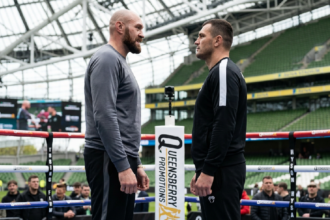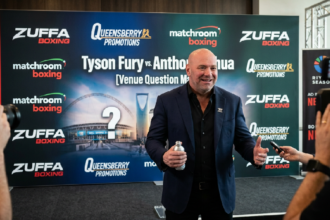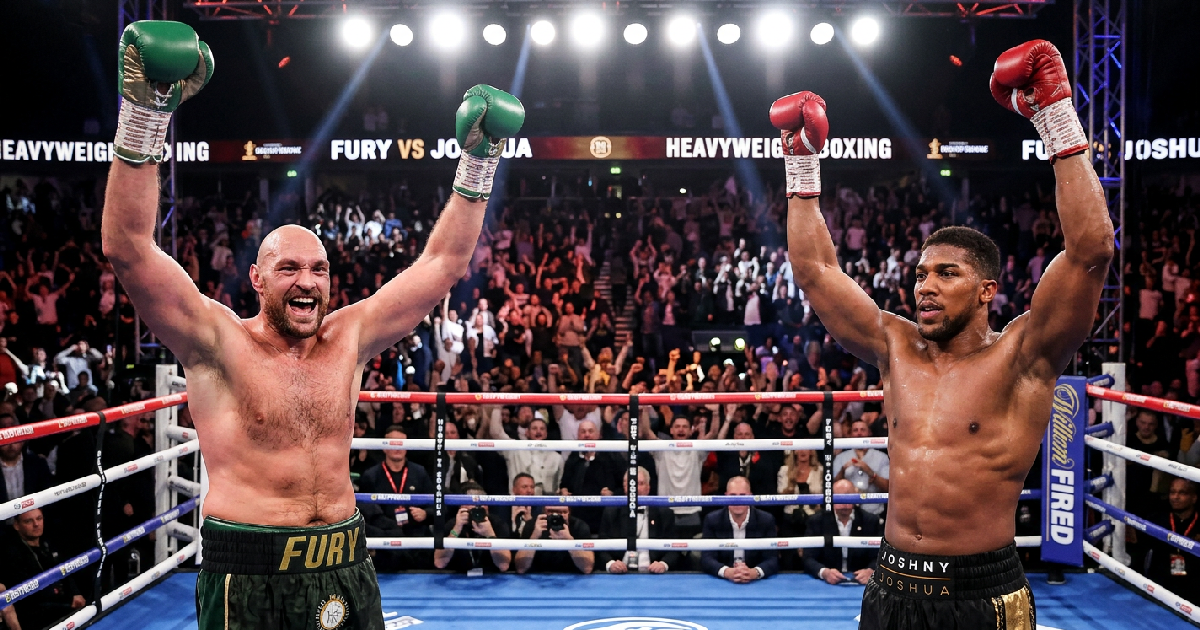
Professional boxing remains fixated on the potential unification of British heavyweights Tyson Fury and Anthony Joshua, a matchup that has loomed over the division for years without ever reaching the ring. Despite reported signed contracts, public deadlines, and regional rivalries, the two heavyweights have seen their paths diverted by legal complications, unexpected defeats, and the complex politics of multi-belt sanctioning bodies. While both men have faced shared opponents, the definitive clash to determine domestic supremacy continues to be the sport’s most elusive negotiation.
The urgency for this pairing has shifted recently as the heavyweight landscape undergoes a visible transition. With newer threats emerging and the physical toll of long careers becoming a factor, the window for a peak-performance encounter is reportedly narrowing. Fans and analysts alike are questioning whether the fight will be a legacy-defining battle for status or a lucrative late-career bout. The history of this rivalry is defined less by what has happened in the ring and more by a series of near-misses that have frustrated the boxing public.
The complications surrounding such high-stakes negotiations are not unique to the heavyweights. Similar hurdles often impact other divisions, as seen when Angelo Leo had his title defense canceled due to weight issues from an opponent. In the case of the British heavyweights, the obstacles have typically been legal or promotional rather than physical, creating a timeline of disappointment for sports fans.
A History of Protracted Negotiations
The world reportedly came close to seeing the fight in previous years when an announcement seemed imminent for a showdown in the Middle East. Reports at the time suggested both camps had reached a preliminary agreement for a multi-fight deal. However, legal developments involving prior contractual obligations reportedly forced a change in plans, effectively stalling the undisputed path. The subsequent delay allowed the mandatory challenger system to disrupt the momentum of the champions.
While one side dealt with mandatory defenses, the other faced challenges that resulted in the loss of world titles, stripping the “undisputed” tag from a potential domestic clash. Even without all the belts on the line, the commercial demand for the fight remains high. Public offers have been made via social media in recent years, leading to periods of back-and-forth negotiations over commercial terms. Those efforts also appeared to collapse when self-imposed deadlines passed without a final signed agreement from both parties.
The Role of Sanctioning Bodies and Mandatories
One of the primary reasons these two have failed to meet is the rigid structure of boxing’s governing organizations. The bodies often have conflicting mandatory challengers who demand their title shots, leaving little room for voluntary defenses between superstars. This administrative congestion has frequently forced fighters to choose between keeping their belts or pursuing the fights the public demands.
The pressure is compounded by the rise of new talent and the resilience of veteran contenders. For instance, Daniel Dubois has prepared for a critical encounter that could position him as a primary alternative to the established names. As these younger heavyweights move up the rankings, the window for the long-awaited British mega-fight to happen with both men at the top of the mountain begins to close.
Financial Hurdles and International Interest
The financial landscape of the sport has changed significantly with the heavy involvement of international investors. Previously, a major hurdle was the division of revenue from pay-per-view markets. With the advent of substantial site fees from overseas, the financial risk for organizers has reportedly decreased, making it theoretically easier to satisfy the salary demands of both heavyweights.
However, even with available funding, sporting merit remains a point of contention. If one fighter suffers a significant loss before a deal is finalized, the commercial value of the “all-British clash” could be impacted. We have seen how momentum can shift quickly in the division; Shane Mosley Jr recently secured a major upset, proving that in boxing, a single night can derail long-term planning. Both athletes appear wary of losing their leverage before they can finalize their meeting.
The Path Forward for the Heavyweight Stars
The roadmap for the coming period relies heavily on the outcome of scheduled bouts and the health of the participants. For the fight to retain its maximum appeal, both men likely need to be coming off victories. There is also a secondary concern regarding physical longevity, particularly as both fighters move deeper into their careers. The history of boxing is littered with bouts that occurred several years past the prime of the participants.
Industry observers suggest a future window remains open provided no further upsets occur. The involvement of global sporting authorities in Saudi Arabia is often cited as the most likely catalyst for getting a deal over the line. For more information on official rankings and mandatory obligations, fans often look to the World Boxing Council (WBC) for updates on the heavyweight landscape.
The ultimate question is no longer if they will fight, but whether the timing will allow for a competitive contest. If they wait too long, the bout risks becoming a meeting of former champions rather than a battle for supremacy. If they reach an agreement soon, they can finally provide an answer to a decade of speculation. Until then, the boxing world waits for a confirmation that has been discussed and delayed many times before.