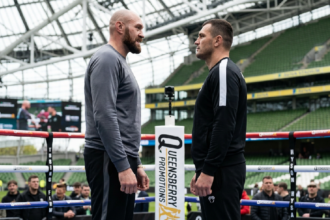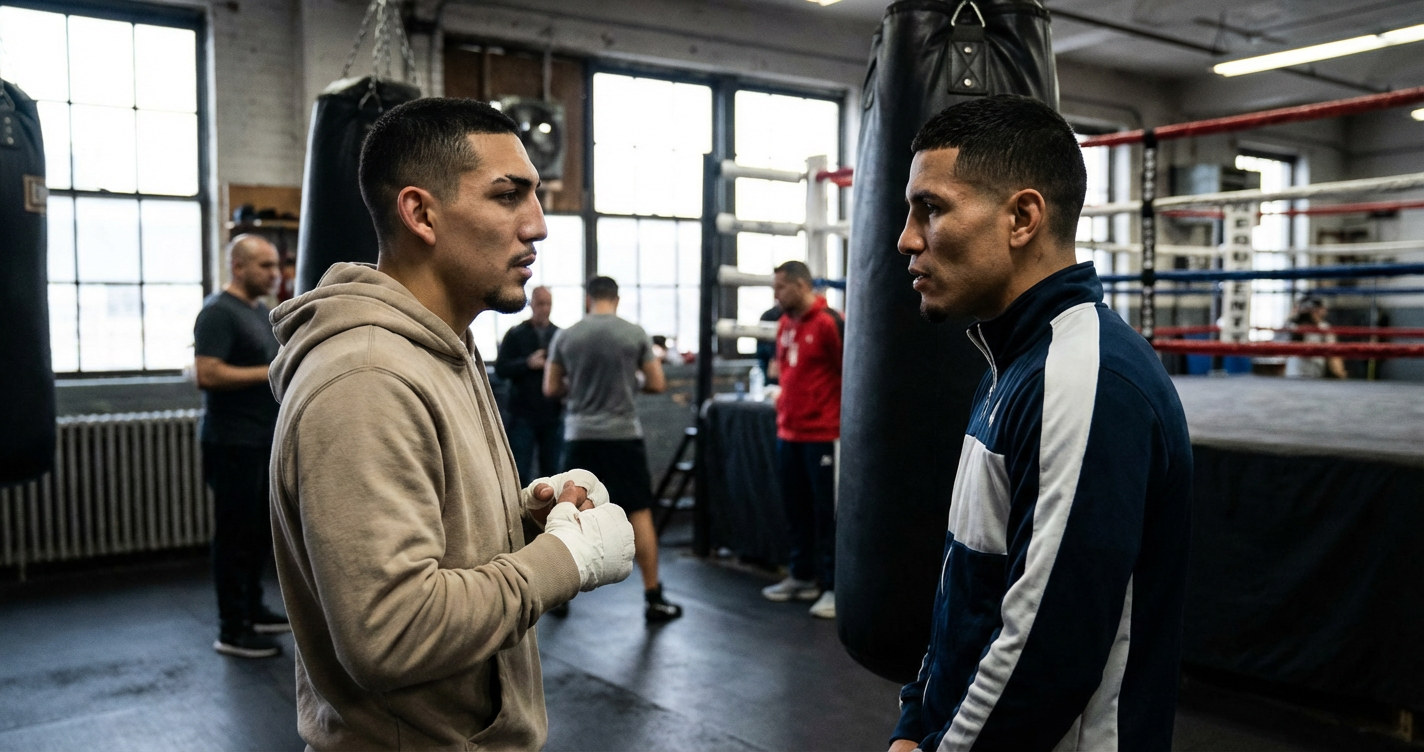
Teofimo Lopez is reportedly moving up to the 147-pound welterweight division and will bypass a sanctioned bout with Lindolfo Delgado for the vacant IBF junior welterweight title. Reports from established boxing insiders and Lopez’s own recent social media activity indicate that the former two-weight world champion is prioritizing high-profile paydays over the pursuit of the belt he recently campaigned for at 140 pounds. By stepping aside, Lopez effectively clears the path for Delgado to contest for the championship while he searches for more lucrative matchups in a heavier weight class.
The move marks a definitive shift in strategy for the fighter, who has spent the better part of the last two years established at junior welterweight. While a clash with Delgado offered the prestige of another world title, it reportedly lacked the commercial weight required to satisfy Lopez’s current financial ambitions. Delgado is viewed by many observers as a formidable and technically sound opponent, but he does not yet command the global drawing power that generates massive gate receipts or pay-per-view revenue. For Lopez, the decision appears to be a calculation that the physical toll of making weight and the risk of the bout did not align with the projected income.
And despite coming off a high-profile defeat in his last outing, Lopez remains one of the most recognizable names in the sport. In a professional landscape where marketability often outweighs a fighter’s most recent win-loss record, this move allows him to skip the rebuilding phase often seen in other sports. Instead of grinding through title defenses or mandatory challengers at 140, he is positioning himself to jump directly into the deep end of the talent-rich welterweight pool.
Commercial Opportunities Awaiting at Welterweight
The move to 147 pounds puts Lopez in the path of several of boxing’s most profitable stars. Names like Ryan Garcia, Devin Haney, and Conor Benn have all been linked to the division, offering the kind of cross-over appeal that Lopez is reportedly seeking. These matchups represent “event” fights that transcend the typical boxing audience, potentially earning the participants far more than a standard title defense. This follows a broader trend in the sport where Eddie Hearn and other major promoters are increasingly looking to secure deals for pound-for-pound stars that guarantee significant financial returns.
Lopez has previously shown a willingness to pivot when the right opportunity arises. His career has been defined by taking on significant challenges, including his victory over Vasiliy Lomachenko and his subsequent high-stakes battles at junior welterweight. Moving to 147 is another example of a “big game hunting” mentality. Even without a belt around his waist at the new weight, his presence alone makes him a major consideration for any major platform looking to fill a primetime slot.
The Risk of the Weight Jump
While the financial upside is clear, the move is not without its athletic hurdles. Welterweight is a historically grueling division where fighters carry more natural power and durability. After his most recent performance, some analysts have questioned whether Lopez’s frame and explosive style will translate effectively against naturally larger men. However, Lopez remains confident, even taking to social media to wish Delgado luck in his pursuit of the vacant IBF strap, signaling that he has mentally moved on from the 140-pound requirements.
He isn’t the only high-profile name currently re-evaluating his weight class and career trajectory. Recently, Jake Paul shared his own detailed plan for a professional boxing return, highlighting how modern fighters are increasingly focusing on narrative-driven careers rather than traditional ladder-climbing. For Lopez, the narrative is now about legacy and wealth, rather than just chasing every available belt.
Strategic Implications for the Junior Welterweight Division
Lopez’s departure leaves a power vacuum at 140 pounds, providing a sudden opening for contenders like Lindolfo Delgado to step into the limelight. The IBF title, once a piece of the puzzle Lopez intended to complete, now becomes a vehicle for a new champion to build their own brand. For the division, losing a star of Lopez’s caliber is a blow to the short-term star power of the weight class, but it creates a more fluid environment for rising talents who were previously blocked by his presence at the top of the rankings.
In many ways, this move mirrors the broader shifts in heavyweight boxing, where long-term rivalries and specific deal-making dominate the headlines. Fans have seen similar maneuvering as Anthony Joshua and Tyson Fury navigate multi-fight offers that prioritize massive global spectacles over immediate mandatory obligations. Lopez appears to be adopting this same “prize-fighter” philosophy, choosing to leverage his name for the biggest possible stage.
What remains to be seen is how quickly the 147-pound elite will welcome him. A fight with Ryan Garcia would arguably be one of the biggest events in the sport, but negotiations in boxing are notoriously fragile. If those major fights fail to materialize in the coming months, Lopez may find himself in a difficult position where the belts remain at 140 and the money at 147 stays out of reach. For now, however, the fighter is officially moving up, betting on himself in search of a lucrative new chapter.