The heavyweight division, traditionally the north star of professional boxing, is entering a period of forced clarity. After years of fragmented titles and protracted negotiations that often left fans with more questions than answers, the coming months promise a streamlined schedule designed to produce a singular, undisputed champion. It is a shift driven as much by financial pressure from international investors as by the athletes’ desire for legacy.
For decades, boxing fans complained about the “alphabet soup” of sanctioning bodies that allowed multiple fighters to claim a share of the heavyweight crown. But the current landscape is different. Promoters who were once bitter rivals are now finding common ground, largely because the financial stakes have become too high to ignore. The result is a calendar that looks more like a structured tournament than the chaotic patchwork of the past.
Heavyweight Unification Moves to Center Stage
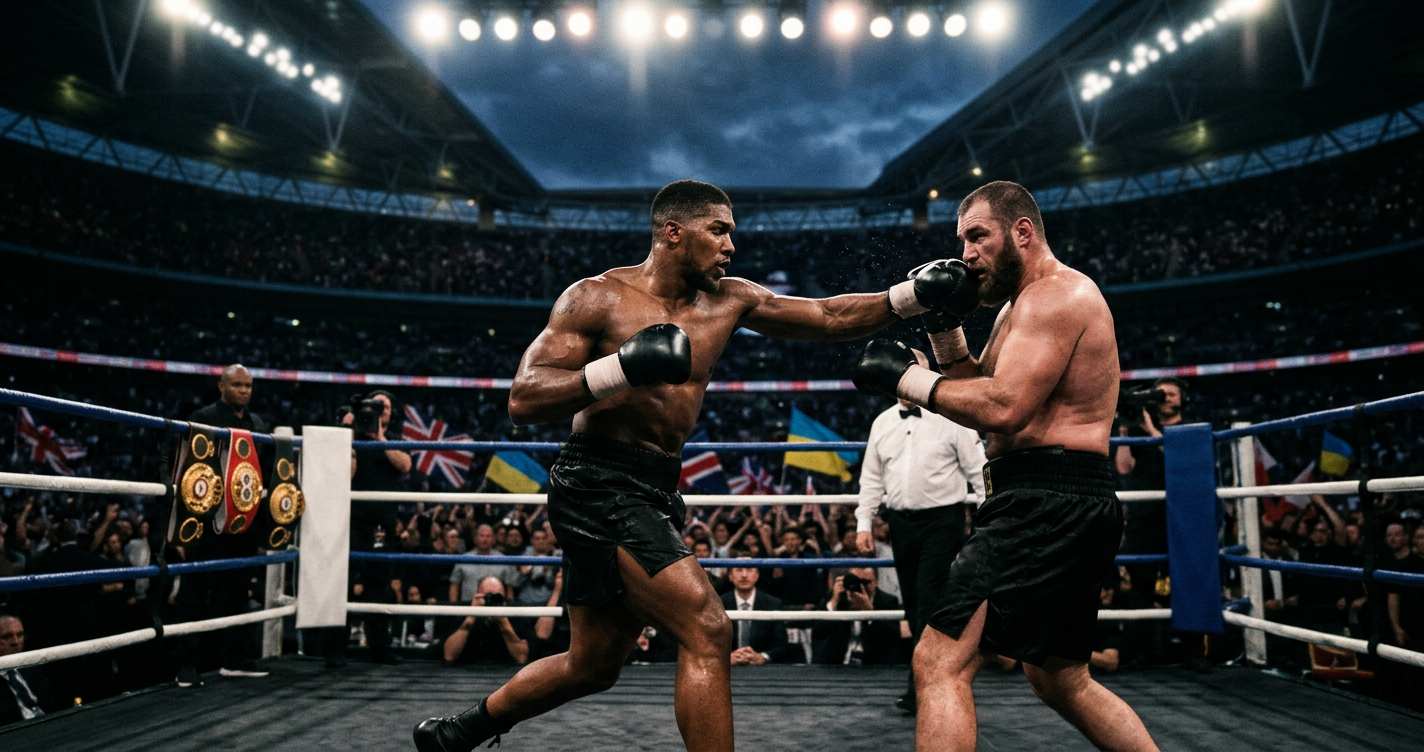
The primary focus of the global boxing schedule remains the consolidation of the heavyweight belts. While individual match dates are often subject to the shifting sands of training camp injuries and broadcast windows, the trajectory is clear. The sport is moving toward a undisputed era where one man holds the WBC, WBA, IBF, and WBO titles simultaneously.
This consolidation isn’t just about trophies. It’s about marketability. In an era where boxing competes with the streamlined structure of the UFC, the “one champion” model is essential for attracting casual sports fans back to the ring. We are seeing a concerted effort from major promotional stables—including Top Rank, Matchroom, and Queensberry—to ensure that the best are fighting the best without the usual three-year delay.
But the schedule isn’t just top-heavy. The ripple effect of these major heavyweight clashes is being felt throughout the lower weight classes. As premium dates are carved out for the giants, marquee fighters in the lightweight and welterweight divisions are being forced to take more competitive “stay-busy” fights to remain relevant in the eyes of the major networks.
The Impact of International Investment
If you want to understand why the boxing schedule looks the way it does in 2026, you have to look at where the money is coming from. The traditional hubs of Las Vegas and London are no longer the only players in the game. Significant capital from the Middle East has effectively subsidized the “mega-fights” that were previously deemed too expensive to produce.
This influx of cash has changed the rhythm of the boxing year. We no longer see the sport go quiet during the winter months. Instead, the schedule is now punctuated by massive “festival-style” cards that feature multiple high-stakes bouts on a single evening. For the fighters, this means higher purses but also less control over their timing. When the call comes for a specific international date, even the biggest stars are finding it hard to say no.
And while the heavyweights grab the headlines, the schedule is also being bolstered by the resurgence of the lower weight classes. Divisions like super-flyweight and bantamweight, long ignored by major American broadcasters, are finding new life on streaming platforms that cater to a global audience. This has created a 24-hour boxing cycle where a title change in Tokyo can hold as much weight as a knockout in New York.
Rising Stars and Mandatory Hurdles
The biggest threat to the current boxing schedule remains the mandatory challenger system. Every major belt comes with a list of contenders that the champion is required to face. In the past, these requirements have been used as an excuse to avoid tough fights or to keep titles “in the family” of a specific promoter.
However, the sanctioning bodies are under increasing pressure to enforce these rules more strictly or step aside. We are seeing a trend where champions are choosing to vacate titles rather than face a low-profile mandatory challenger for a smaller purse. While this can lead to temporary confusion, it often results in more vacant title fights, which in turn creates opportunities for the next generation of prospects to make their name.
Fighters who have spent years on the periphery are finally getting their shots. This “clearing of the pipes” is essential for the long-term health of the sport. It prevents legends from stagnating and ensures that the rankings actually reflect the current talent pool rather than past reputation.
What the Future Holds for Fight Fans
Looking ahead, the focus will remain on the logistics of these high-stakes encounters. As boxing enters this more structured phase, the challenge will be maintaining the momentum. The sport has notoriously short memories, and a single dull performance from a superstar can derail months of careful planning.
So, what should fans expect? A more predictable flow of major fights, fewer “tune-up” bouts on pay-per-view, and an increasing reliance on international venues. The era of the “unmissable” Saturday night is returning, but it often requires a subscription to multiple streaming services to keep up with the action.
The boxing schedule is no longer just a list of fights; it is a strategic roadmap. For the first time in a generation, the people running the sport seem to realize that clarity is their greatest asset. If they can stick to the plan, the next year could be the most significant for professional boxing in decades.