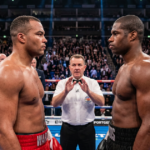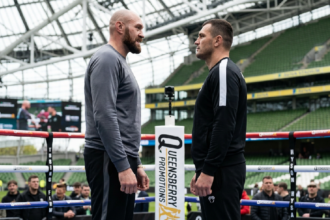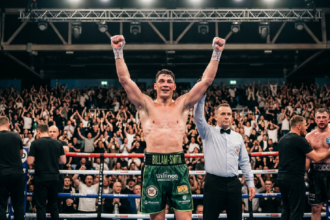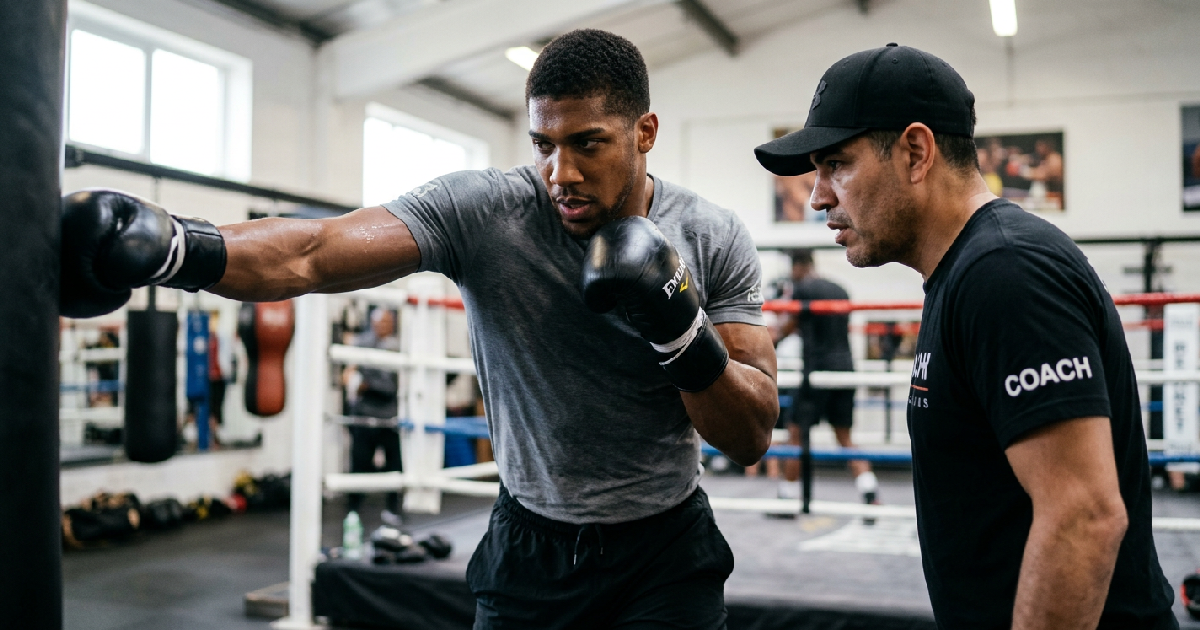
Deeply respected trainer Robert Garcia has cast his vote for Anthony Joshua in a potential heavyweight showdown against Tyson Fury, suggesting the former champion possesses the power to stop the “Gypsy King.” Garcia, who previously oversaw Joshua’s preparations for his rematch with Oleksandr Usyk, indicated that Joshua’s current momentum and refined aggression would likely prove too much for Fury to withstand over the distance. This assessment comes as rumors persist regarding a massive domestic clash that would determine heavyweight supremacy once and for all.
The long-running rivalry between the two British giants has entered a new phase as activity levels and recent performances shift public perception. While Fury has long been regarded as the man to beat in the division, Garcia maintains that Joshua’s tactical evolution makes him the favorite in a head-to-head encounter. This confidence surfaces as Anthony Joshua reportedly considers a two-fight deal that could finally see the pair share the ring.
Critics often point to Fury’s elusive movement and high ring IQ as insurmountable obstacles, but Garcia argues that the physical toll of a long career may be leaving Fury vulnerable. The trainer’s perspective is built on firsthand experience of Joshua’s work ethic in the gym. He suggests the Londoner has rediscovered the clinical finishing instinct that propelled him to world titles, potentially making him a more dangerous threat than ever before.
The Strategic Case for an Anthony Joshua Victory
Garcia’s analysis is rooted in the idea that Joshua has remained significantly sharper due to a more consistent fighting schedule. Since his consecutive losses to Usyk, Joshua has remained active, rebuilding his confidence through a string of victories. This rhythm is viewed by some as a distinct advantage over Fury, who has faced more sporadic scheduling and periods of inactivity in recent years.
The veteran trainer believes Joshua’s punching power remains the ultimate equalizer in any heavyweight contest. While Fury is famous for his recovery powers—having climbed off the canvas in several high-profile bouts—Garcia suggests that Joshua’s technical combination punching is more calculated and sustained. Rather than hunting for a single knockout blow, Joshua’s ability to put together sequences could disrupt Fury’s defensive rhythm and force a stoppage.
Joshua’s willingness to evolve his style has also been a talking point among insiders. Reports that Anthony Joshua gained a lift training with Oleksandr Usyk suggest a fighter dedicated to learning from his defeats to reach a new level of maturity. This flexibility is exactly why Garcia believes the former champion can navigate the psychological warfare and feints that Fury utilizes to unsettle his opponents.
Analyzing Tyson Fury’s Defensive Shifts
Despite his reputation as a defensive wizard, Fury has shown signs of a changing style in his most recent outings. Garcia notes that Fury is no longer the fleet-footed specialist who specialized in lateral movement early in his career. Under the guidance of SugarHill Steward, Fury has adopted a more aggressive, physical approach. While this style change has resulted in knockout wins for Fury, it also requires him to engage at a closer range, which Garcia sees as a opening for Joshua’s heavy hands.
If the bout devolves into a mid-range exchange of power shots, Garcia believes the advantage shifts toward the more explosive Joshua. The trainer indicates that Joshua’s ability to finish a hurt opponent is among the best in the heavyweight ranks. The path to victory would involve Joshua neutralizing Fury’s long jab and forcing back the taller man into an exchange where hooks and uppercuts can dominate.
Heavyweight Division Dynamics and Commercial Pressure
The timing of this prediction is notable as the heavyweight landscape looks toward a period of potential consolidation. With mandatory challengers waiting and the lure of undisputed status always present, the pressure for a Joshua-Fury encounter is higher than it has been in years. Garcia’s public backing of Joshua adds weight to the argument that the betting underdog may be more capable than the odds suggest.
Even Fury has reflected on early sparring sessions with Joshua, acknowledging the competitive nature of their work together years ago. Garcia believes those early flashes of talent are now supported by a deep well of professional experience and a more polished technical repertoire. He argues that the version of Joshua currently campaigning is a much more dangerous proposition than the younger man who first entered the world stage.
As representatives continue to discuss the feasibility of what would be the biggest event in modern British boxing history, Garcia’s outlook serves as a reminder of the division’s volatility. A single well-placed punch can change the course of a career, and in the eyes of a respected tactical mind, Joshua is the one most likely to land it. Whether Fury can adapt his defense once more to prove the doubters wrong remains the central question of the heavyweight era.