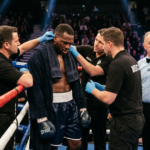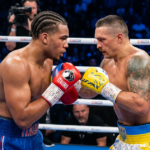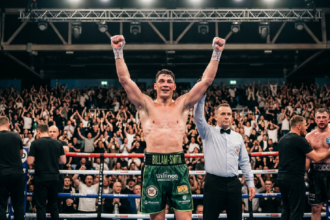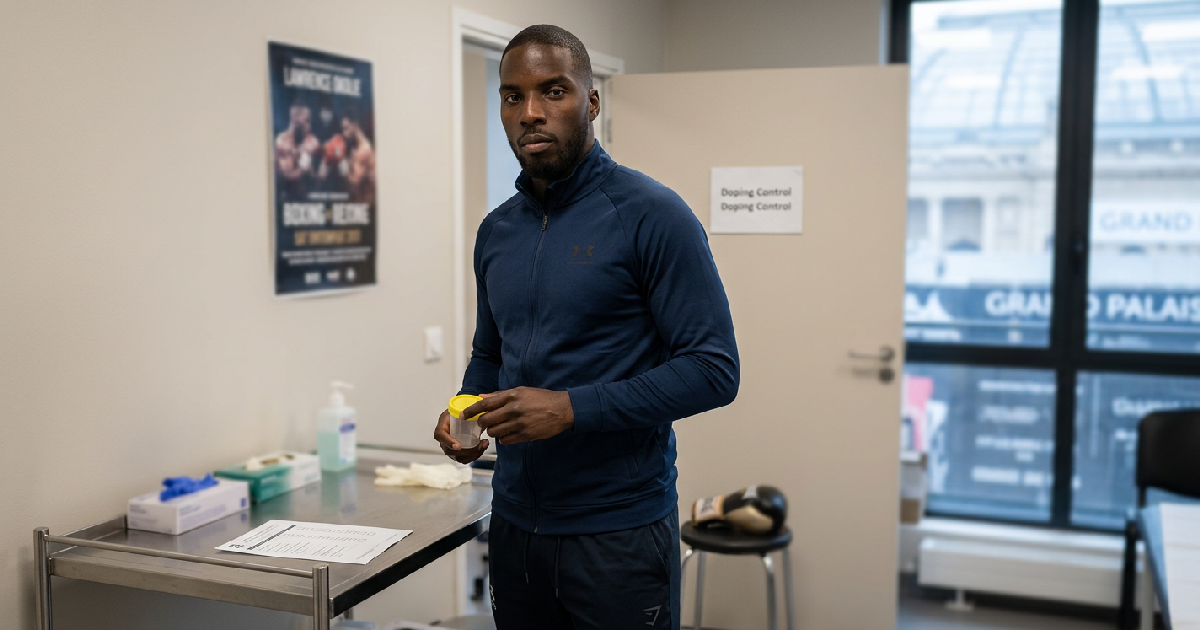
The boxing world is reacting to reports of an adverse analytical finding involving former world champion Lawrence Okolie, a development that has cast significant doubt over his scheduled appearance in France. Initial reports indicate that the planned event in Paris, which the British cruiserweight was expected to headline, may no longer proceed as originally organized.
Okolie, known for his formidable power and physical presence, had been looking to establish a new chapter in his career following recent changes to his training setup and weight class ambitions. However, according to emerging reports, a pre-fight drug test has surfaced with results that make the continuation of the Paris card increasingly unlikely. If the event is indeed scrapped, it would follow a pattern in professional boxing where the loss of a primary attraction often makes the entire televised broadcast commercially difficult to sustain.
Uncertainty Surrounds Paris Boxing Card Following Reports
While official confirmation from all governing bodies is still being finalized, sources within the industry suggest that organizers are evaluating the viability of the show. In major international promotions, the removal of a main event fighter often creates a ripple effect that impacts the entire undercard. This is particularly true for events built around a single marquee name, where television contracts and ticket sales are heavily reliant on the headliner’s presence.
The reported situation involving Okolie highlight the complexities of modern anti-doping protocols. For many fighters, these hurdles are a constant factor in career management. This is not unlike the careful planning seen in other parts of the heavyweight landscape, such such as when Jake Paul discussed his strategic professional boxing return to ensure maximum visibility and competitive alignment.
Regulatory Processes and Next Steps for Okolie
Standard procedure in these instances typically involves a thorough review of the findings. This often includes the option for the athlete to request the testing of a secondary sample, sometimes referred to as a ‘B’ sample, to verify the initial result. Until these administrative steps are completed, any talk of long-term suspensions or career impacts remains speculative. Nevertheless, the immediate consequence appears to be the disruption of a major European fight night.
The timing is complicated for the cruiserweight division, which has seen several shifts in momentum recently. Whenever a top-tier fighter is sidelined by administrative issues, it creates a vacuum that other contenders are eager to fill. For example, some fighters have found extra motivation through high-level exposure, such as the reported boost Anthony Joshua gained after training with Oleksandr Usyk, illustrating how quickly the narrative can change for elite athletes.
The Impact of Cancelled Events on Local Markets
If the Paris event is fully abandoned, the fallout will be felt by more than just the headlining names. Undercard fighters, many of whom have spent significant sums on training camps and travel, face the loss of their primary source of income. This fragility is a well-known risk in the sport, where the collapse of a main event can lead to the cancellation of a dozen other bouts on the same night.
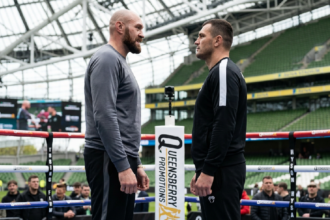
Promoters frequently struggle with the financial risks associated with international shows. While big names draw crowds, they also represent a single point of failure for the entire production. This risk management is a constant theme in the industry, even as boxing continues to grow in new territories. For instance, the sport’s reach can expand through different means, such as how Tyson Fury’s presence in the Isle of Man reportedly sparked a fresh wave of local interest in the region’s boxing scene.
A Waiting Game for the French Boxing Scene
For the French boxing community, the potential loss of a major televised show is viewed by many as a missed opportunity to showcase the sport in a growing market. Paris has been increasingly active in hosting international talent, and the disruption of a headlining bout like Okolie’s could influence how future cards are structured and insured.
As the legal and medical reviews take place, the focus will remain on the transparency of the testing process. The integrity of the sport relies on these rigorous checks, even if the immediate outcome is the frustration of fans and the displacement of athletes. Okolie’s representatives are expected to address the findings in the coming weeks as they navigate the formal hearing process that will eventually determine the fighter’s eligibility to compete again.