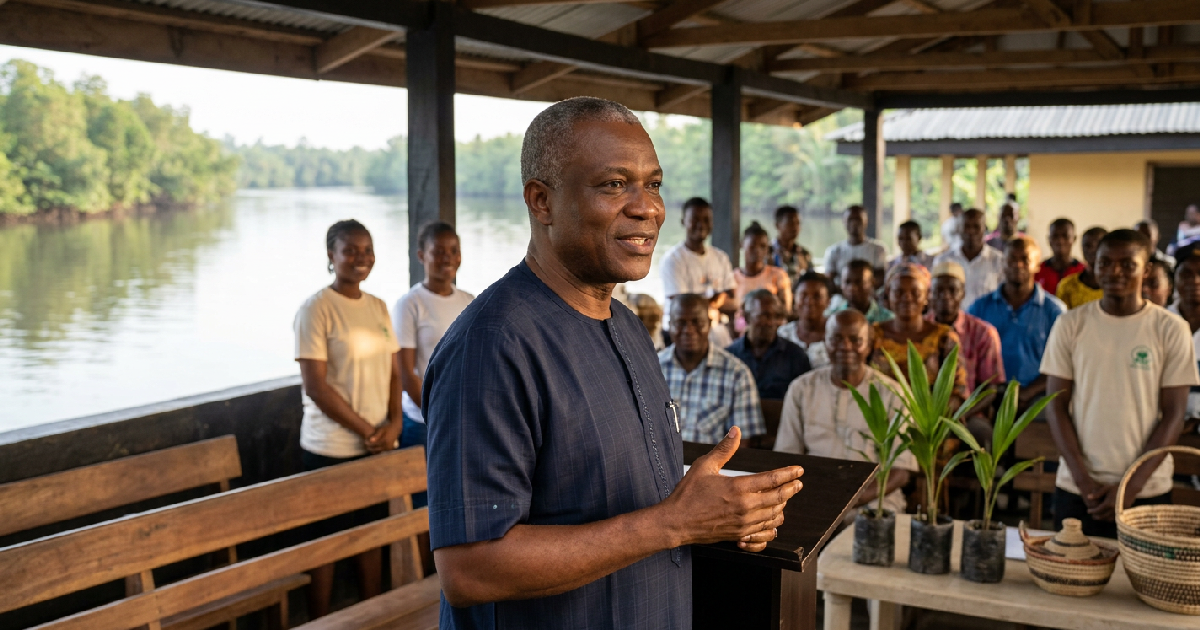
A new initiative led by Adamu in Lagos is aiming to transform the grassroots sports landscape by using the boxing ring as a tool for peace and regional stability. The project seeks to engage youth across the Niger Delta, channeling energy away from civil unrest and toward the disciplined world of professional and amateur pugilism. Amidst the bustling backdrop of Lagos, stakeholders presented the plan as a strategic roadmap for social cohesion through the “sweet science.”
The announcement comes at a time when the Nigerian boxing scene is looking for more structured growth. For years, the country’s coastal and delta regions have been recognized as fertile ground for raw athletic talent, yet a lack of consistent infrastructure often leaves these prospects without a clear path to the professional ranks. Adamu’s proposal aims to bridge that gap, suggesting that boxing can serve as a common language to unite disparate communities and provide a viable career path for those who might otherwise be drawn into local conflicts.
Transforming the Niger Delta Through Athletic Discipline
The core of the strategy involves establishing training centers situated in strategic locations within the Niger Delta. By bringing elements of the sports administration models used in Lagos to these areas, organizers hope to replicate the success seen in major urban hubs. The initiative is not just about finding future champions; it is about establishing a framework of discipline, health, and economic opportunity in regions that have historically faced significant social challenges.
Boxing has long served as a social equalizer. In Nigeria, the sport has often been a route toward advancement for many young men and women. By formalizing this path in the Niger Delta, Adamu intends to provide a sense of purpose that transcends communal boundaries. The plan reportedly includes provisions for educational support alongside physical training, ensuring that participants have a safety net regardless of their success in the ring. While some high-profile figures in the sport focus on different avenues, such as how Jake Paul details plan for professional boxing return, the Adamu initiative focuses on the foundational work required to build a sustainable pipeline of talent.
Addressing Regional Volatility with Sports Investment
The “Lagos plan” serves as a direct response to periods of volatility in the region. Organizers argue that tension is often the byproduct of limited institutional support for the youth. By inserting boxing at the grassroots level, the initiative seeks to replace regional friction with healthy competition. Observers suggest that the physicality of the sport offers a unique outlet for stress and aggression, converting potentially destructive energy into constructive athletic ambition.
Success in this arena will require a significant logistical undertaking. Moving from a proposal to a functional network of gyms requires the cooperation of local governors, traditional leaders, and private investors. However, Adamu has expressed confidence that the shared interest in regional peace will be enough to garner the necessary support. The program is expected to work alongside existing boxing commissions to ensure that all training programs adhere to established safety standards, especially since figures like Anthony Joshua’s former rival are constantly highlighting the need for high-level visibility and professional structure in the sport.
Building a Bridge Between Lagos and the Coast
Lagos has long been the heartbeat of the Nigerian boxing world, and using it as a springboard for the Niger Delta project is a calculated move. The city’s infrastructure and media presence provide a visibility that other regions often lack. By connecting young fighters from the Delta to the Lagos ecosystem, Adamu is creating a “promotion pipeline” where talent can be showcased to national and international scouts.
This kind of regional outreach is essential for the long-term health of the sport. Similar efforts are often discussed when looking at the history of the sport’s icons, such as moments when Tyson Fury reflects on early sparring with Joshua as a way to chart the growth and evolution of heavyweight boxing. For current prospects in the Niger Delta, having a roadmap that leads from local competition to the bright lights of Lagos is a powerful motivator.
The Future of Nigerian Boxing and Regional Stability
The plan presented by Adamu is not without its hurdles. Funding remains a consistent issue for Nigerian sports, and the complex nature of the Niger Delta’s social landscape can complicate even the most well-meaning projects. Furthermore, boxing is a sport that requires long-term commitment rather than short-term fixes. To truly unite the region, the program must be more than a series of one-off tournaments; it must become a permanent fixture of community life.
Despite these challenges, the outlook is cautiously optimistic. There is a growing appetite for home-grown sports content across the continent, and the Niger Delta remains an untapped resource of athletic potential. If Adamu can successfully implement this plan, it could serve as a blueprint for other regions looking to use sports as a tool for regional diplomacy. The focus now shifts to the implementation phase, where the first training camps are reportedly expected to begin operations in the coming months.
The global boxing community continues to see significant shifts in how fighters prepare and promote themselves. Whether it is through high-tech camps or traditional setups, the path to greatness is changing. Just as reports suggest elite fighters seek specific training advantages in various locations to improve their standing, the Adamu plan emphasizes the power of collaboration at the community level. By bringing together youth from across the Niger Delta, the initiative hopes to turn the tide of regional instability through the grit and glory of the ring.