The boxing calendar is beginning to take a more defined shape as promoters and governing bodies move to finalize a series of high-stakes matchups across several weight divisions. While the sport often struggles with the logistics of making the biggest fights, the coming months appear to be settling into a rhythm that favors clarity over the usual promotional gridlock.
For fans tracking the heavyweight landscape, the focus remains on how the division’s veteran guard chooses to bookend their careers. Recent activity suggests a shift toward legacy fights rather than strictly following mandatory obligations. This has been evident in the wake of recent London showcases, where established names have shown a preference for high-profile domestic clashes and cross-promotional events that carry significant weight with the public.
Heavyweights and the Search for Market Clarity
The heavyweight division remains the primary engine of the sport’s global schedule. Recent developments have seen veteran contenders prioritizing activity over long layoffs. For instance, after years of speculation and near-misses, the potential for Wilder and Joshua bout faces new hurdles, yet it continues to dictate the pace of the scheduling behind the scenes. Promoters are reportedly looking at potential windows later in the year to accommodate the immense logistical demands of a stadium event of that magnitude.
But it isn’t just the giants at the top of the billing who are keeping the dates filled. The cruiserweight division is providing a blueprint for how to keep a schedule moving. Eliminators are being fought with more regularity, ensuring that champions have a steady stream of legitimate challengers. This structured approach has allowed the division to avoid the stagnation often seen when title holders wait for lucrative fights that never materialize.
Establishing the Middleweight Order
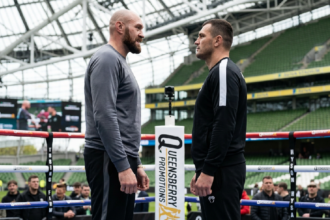
Further down the weight scales, the super middleweight and middleweight divisions are seeing a surge in activity from Eastern European and Central Asian prospects. These fighters are increasingly headlining cards in both Europe and North America, filling gaps in the schedule that were previously occupied by domestic stalwarts. The recent Osleys Iglesias and Pavel Silyagin clash is a prime example of the technical bouts that are becoming the backbone of midweek and developmental broadcasts.
These fights are essential for the ecosystem of the sport. While they don’t always garner the massive pay-per-view numbers of a heavyweight title fight, they provide the necessary volume to keep broadcast partners engaged. The schedule for the coming months is expected to feature a heavy dose of these technical crossroads fights as the next generation of contenders looks to force their way into the world rankings.
Women’s Boxing Gains Promotional Priority
The scheduling of women’s championship bouts has undergone a significant transformation. Major female stars are now anchoring their own dates and commanding significant television real estate. The possibility of a Katie Taylor Croke Park home-coming remains one of the most discussed potential dates on the horizon, representing a milestone for Irish sport and women’s boxing globally.
This trend is reinforced by the speed at which women’s titles are being unified. Unification bouts are reportedly being scheduled with much less friction than is often seen in the men’s game, leading to a crowded calendar where undisputed status is frequently on the line. Fans can expect several multi-belt clashes in the coming seasons as promoters look to capitalize on the momentum of recent sell-out events.
The Rise of Zuffa Boxing and Alternative Platforms
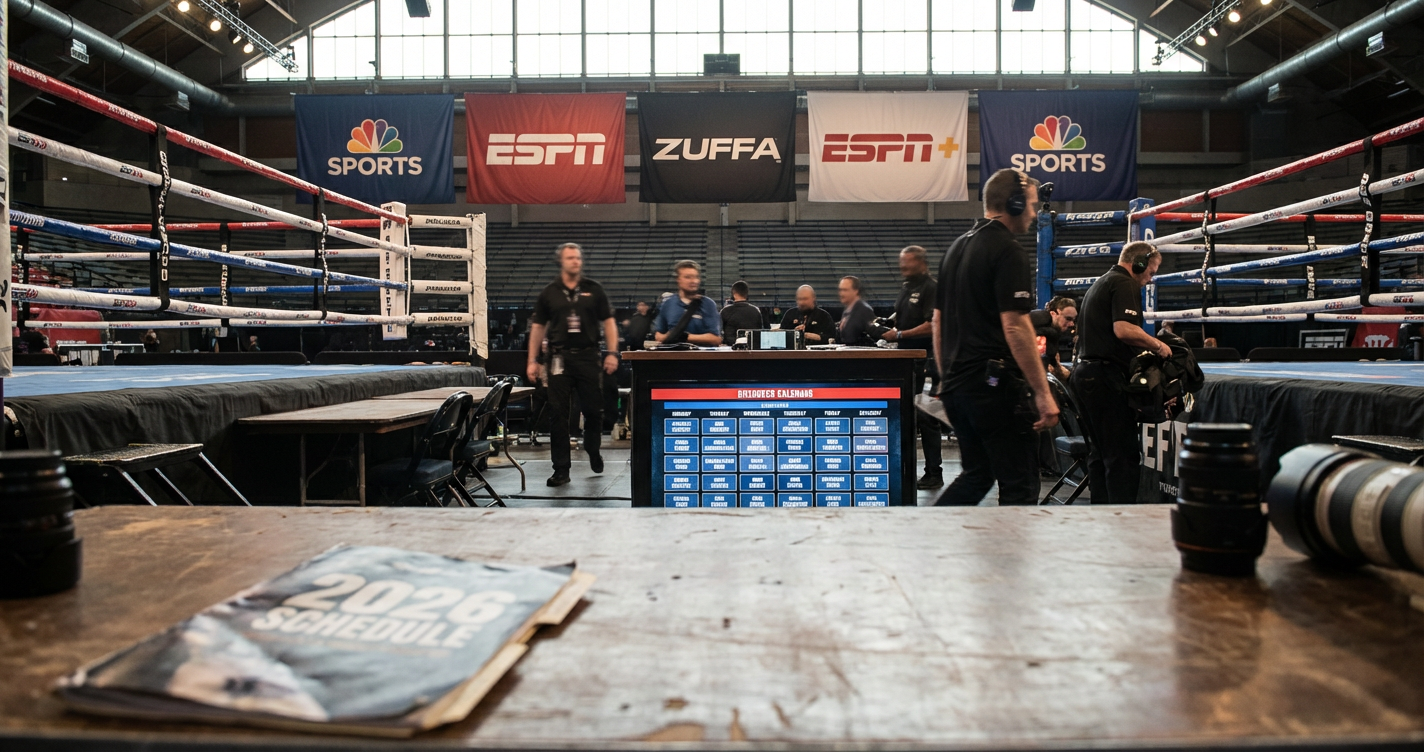
The entry of new promotional entities into the boxing space is also altering the traditional schedule. With Zuffa Boxing reportedly increasing its footprint, the frequency of events in Las Vegas and other combat sports hubs is rising. These cards often feature a mix of traditional boxing prospects and crossover athletes, drawing in a demographic that might not follow the sport’s traditional ranking systems.
This diversification of the schedule is something of a double-edged sword. While it provides more dates for fighters to stay active, it also creates a more fragmented viewing experience. Fans now have to navigate multiple streaming platforms and networks to stay current. However, for the boxers, the increased number of available dates means less time spent in the gym waiting for a phone call and more time active in the ring.
As we look further into the year, the focus will likely shift toward the mandatory defense cycles of the major world champions. With many of the sport’s top stars currently in training camps or recovering from recent appearances, the schedule is expected to remain dense with high-level championship action.